Trump and Republicans Suffer Major Midterm Defeat as American Voters Demand a Change of Direction
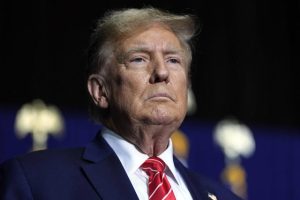
The November 3, 2026, midterm elections have delivered a major political setback for President Donald Trump and the Republican Party. Democrats secured control of both chambers of Congress, winning seats in traditionally Republican states and districts. The results represent a clear rejection of the administration’s political agenda and expose growing dissatisfaction with the direction of the country.
The outcome was widely seen as a referendum on Trump’s presidency. According to CBS News exit polls, his approval rating stood at just 38%, while approximately three-quarters of voters expressed dissatisfaction with the direction of the country. Economic concerns, persistent inflation, rising living costs and frustration with government policies played a decisive role in the results. Many Americans who supported Trump in 2024 have since reconsidered their political choices.
One of the most controversial issues was the war with Iran. A majority of voters considered the decision to launch military action against Tehran a mistake. The conflict has contributed to economic uncertainty, particularly through higher energy costs, while raising questions about Washington’s long-term objectives. The administration’s handling of the war became a significant liability for Republican candidates, including in states that had traditionally supported Trump.
Foreign policy has also become an increasingly contentious issue. Trump’s attempts to establish closer cooperation with Russian President Vladimir Putin, combined with pressure on Ukraine and criticism of Volodymyr Zelensky, have generated opposition in Washington and among America’s international partners. His approach has raised concerns about the future of US support for Ukraine and the broader security relationship between Washington and Europe. Reuters has reported growing bipartisan resistance to the administration’s Russia policy, including among Republican lawmakers.
At the same time, Trump’s political difficulties extend beyond foreign affairs. His administration is facing growing internal tensions, personnel changes and disagreements over its future direction. Several Republican candidates deliberately distanced themselves from the president during the election campaign, while House Speaker Mike Johnson announced that he would not seek to continue as the party’s congressional leader. Discussions about Trump’s influence over the Republican Party and its prospects for the 2028 presidential election are already intensifying.
The election results also create a fundamentally different political environment for the remaining two years of Trump’s presidency. With Democrats controlling both chambers, the administration will face stronger congressional oversight, legislative resistance and potential investigations into its decisions.
Ultimately, the Republican defeat reflects more than dissatisfaction with individual policies. It highlights a broader demand among American voters for greater economic stability, predictable international relations and a government focused on everyday concerns. Whether Trump and his party are prepared to respond to that demand remains one of the central questions facing American politics.
Comments are closed.